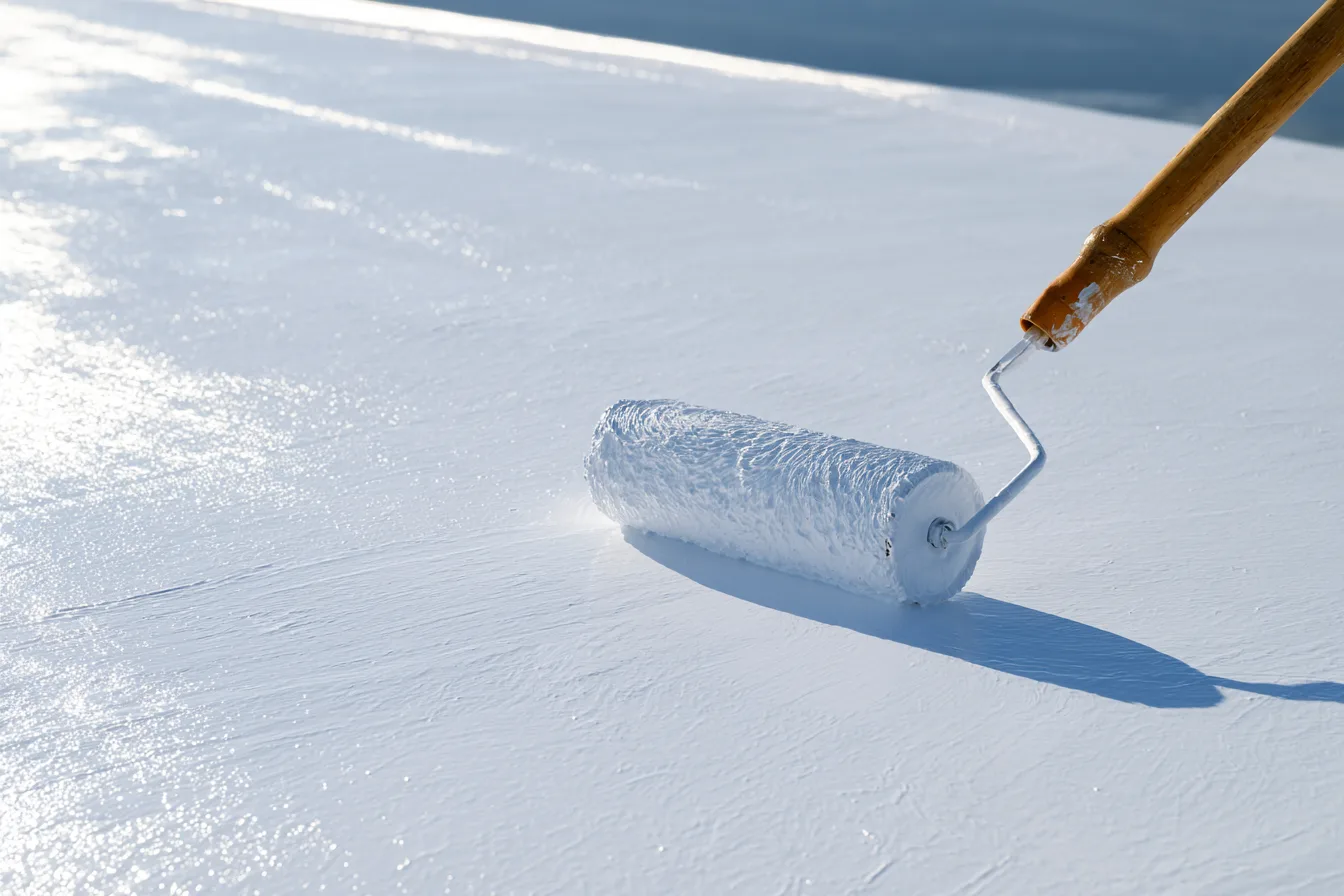
Commercial roof coatings in Duncanville
A roof coating can be a useful restoration option when the existing roof is a sound candidate. The important decision happens before the first coat goes down.
Commercial roof restoration in Duncanville
A coating adds a protective surface to a suitable existing roof. It does not replace a damaged deck, remove water from saturated insulation or correct an unsuitable drain layout. Those conditions need to be understood before restoration is priced.
Adhesion also matters. The chosen system needs the right substrate, cleaning, repairs and preparation so it bonds as intended. A fresh white appearance is not evidence that those conditions were met.
What makes a roof a coating candidate
| Condition to assess | Why it matters |
|---|---|
| Moisture within the assembly | Wet materials need a defined response before they are covered. |
| Surface compatibility and adhesion | The existing material and its condition determine whether the specified coating will bond. |
| Seams, penetrations and edges | These need proper repair and reinforcement as the system requires. |
| Drainage and remaining roof condition | A coating does not create structural capacity, slope or a healthy substrate. |
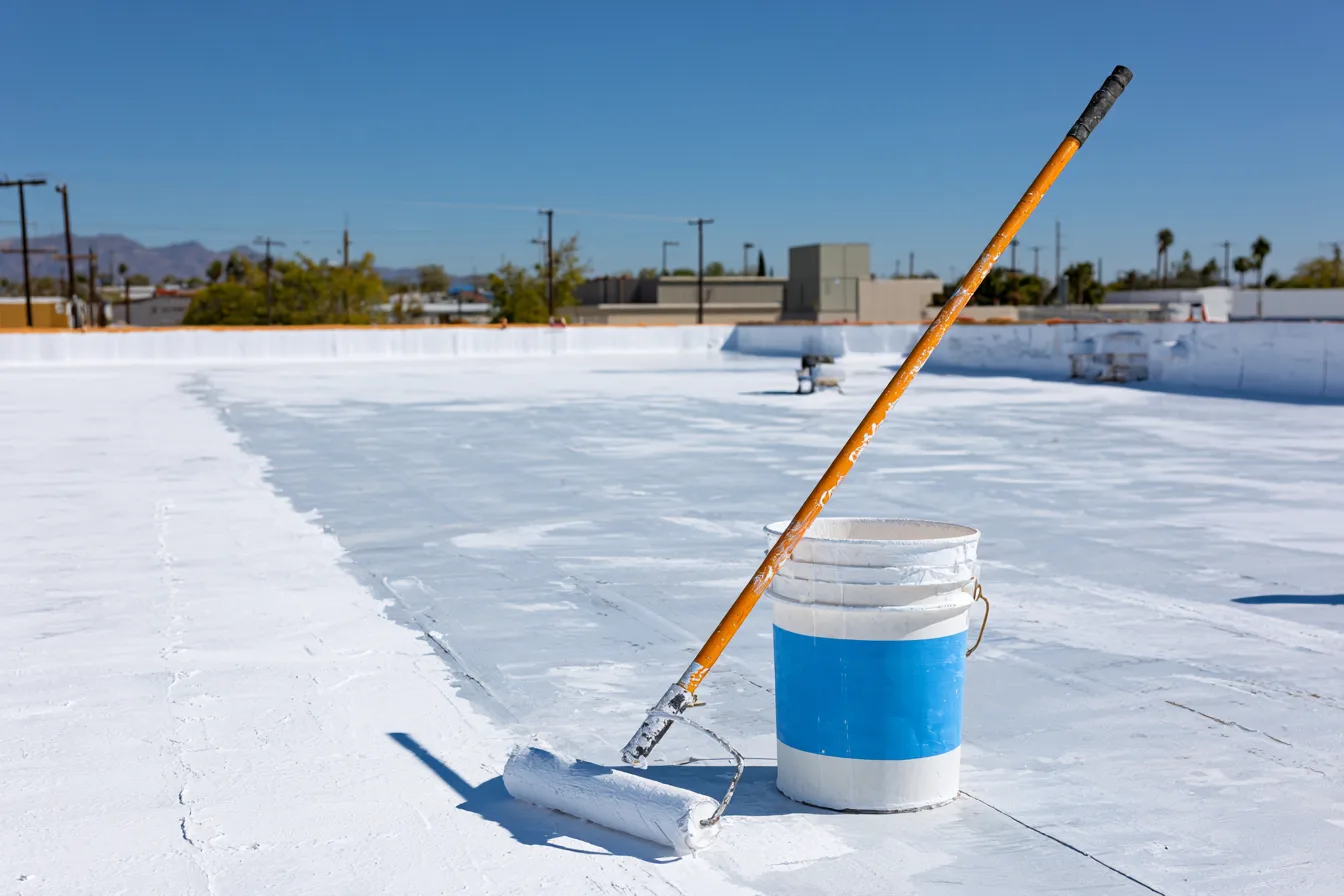
Roof coating preparation and application in Duncanville
Assess suitability
Identify the existing roofing and any old coating, then assess drainage, adhesion and moisture within the assembly. A sound-looking surface alone cannot establish that the roof is dry underneath. Unsuitable areas need a repair or removal scope before a coating system is selected.
Prepare and repair
The roof is cleaned and allowed to dry as the selected system requires. Open seams, damaged flashings and penetrations need compatible repairs and specified reinforcement. Primers or bleed-blocking treatments depend on the existing surface; they are not interchangeable steps for every roof.
Apply the specified system
Application thickness, coverage, weather limits and cure time follow the selected system. Wind, rain and roof temperature affect the workable application window. Access to equipment needs to be coordinated so traffic does not disturb the coating before it has cured.
Roof coating systems and project costs in Duncanville
Acrylic and silicone are different coating chemistries, not two names for white roof paint. Acrylic systems have product-specific drying and drainage requirements. Silicone systems can be selected for specified ponding-water exposure, but that does not remove the need to address drainage, wet insulation or unsuitable substrate.
The material has to suit the existing roof and its previous repairs. Adhesion, required primer, reinforced details and any future recoating method belong in that selection. Areas around equipment may also need the system’s approved traffic protection rather than more ordinary coating.
A restoration budget includes cleaning, repairs, preparation and the specified application, along with any removal of unsuitable material. A roof needing extensive concealed-layer replacement can lose the cost advantage of keeping the existing system. The useful comparison is the completed restoration scope against replacement, not coating material against a whole new roof.
Duncanville Roof Coating FAQs
Is a roof coating always cheaper than replacement?
It can avoid full removal when the existing roof is suitable, but the amount of preparation and repair changes the price. An unsuitable roof does not become a good restoration candidate because the initial coating price looks attractive.
Are all white coatings the same?
No. Chemistry, substrate compatibility, ponding-water limits and application requirements vary. The system needs to match the actual roof.
What if the insulation is wet?
The moisture and extent of affected material need evaluation. Our commercial roofing overview explains why repair, restoration and replacement start with the whole assembly.
Explore roof restoration for your Duncanville building
Ask whether the roof you have can support restoration before choosing a coating.